
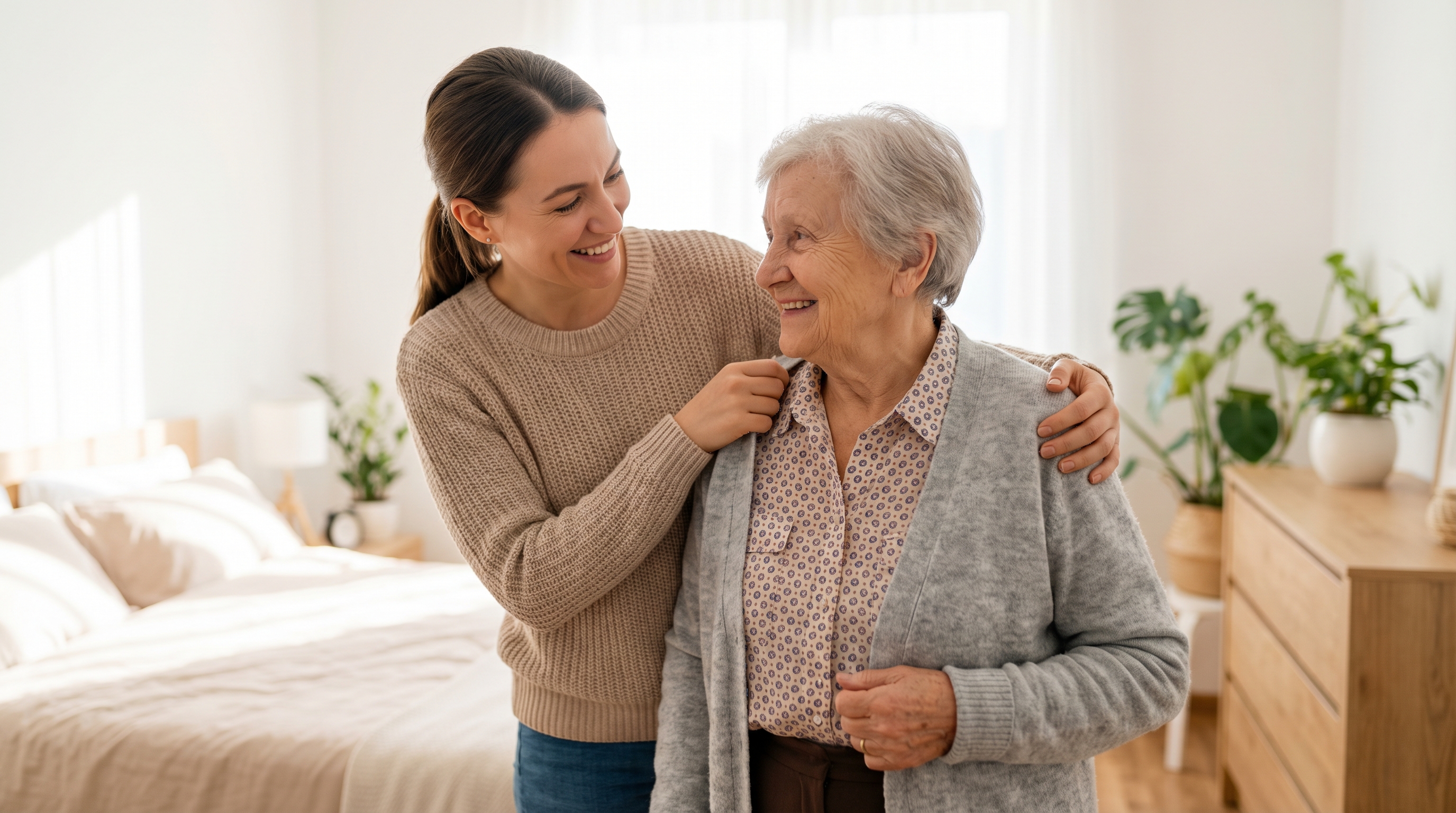
The bathroom used to be a place of quiet routine, a private space for personal care. Now, for many families in Northern Virginia, it's become a source of worry, frustration, or even silent fear. Perhaps you've noticed your parent avoiding showers, wearing the same clothes for days, or struggling with buttons and zippers. The once simple acts of bathing and dressing can become complex, even risky, as loved ones age.
It's a common and deeply personal challenge. You want to help, but stepping into such intimate moments can feel awkward for everyone involved. You might worry about their safety, their dignity, or simply how to manage these tasks without causing distress. This isn't just about cleanliness; it's about maintaining independence, comfort, and a sense of self-worth.
Understanding the Challenges of Bathing and Dressing for Seniors
As we get older, our bodies change in many ways. These changes can make daily personal care activities, like bathing and dressing, much harder. It's not always obvious what's happening, but recognizing the signs can help you offer support sooner.
One major factor is reduced mobility. Arthritis, muscle weakness, or balance issues can make stepping into a tub or even standing in a shower feel like a dangerous task. The fear of falling is very real and can lead seniors to avoid bathing altogether. Skin becomes more fragile, too, making it more susceptible to tears or bruises, which means careful handling is essential.
Cognitive changes, such as those associated with dementia or Alzheimer's, also play a significant role. A senior might forget the steps involved in bathing, become confused by the process, or feel overwhelmed by the sensations of water and soap. Dressing can become a puzzle, with clothes chosen inappropriately for the weather or worn inside out.
Beyond the physical and cognitive aspects, there's the emotional side. Losing the ability to care for oneself can be deeply upsetting and embarrassing. Seniors might resist help because they want to maintain their independence and dignity. This resistance isn't always defiance; it's often a cry for control and respect.
Recognizing the subtle shifts in personal care routines is the first step toward providing compassionate support for your loved one.
Common Reasons Seniors Need Help with Personal Care
Many different health conditions and age-related changes can contribute to difficulties with bathing and dressing. It's rarely just one thing; often, it's a combination of factors.
- Physical Limitations: Conditions like osteoarthritis, Parkinson's disease, or post-stroke weakness can limit range of motion, making it hard to reach, bend, or balance.
- Vision Impairment: Poor eyesight can make it difficult to locate clothing, match outfits, or see hazards in the bathroom.
- Cognitive Decline: Memory loss, confusion, or difficulty with sequencing tasks can make the multi-step process of personal hygiene overwhelming.
- Pain: Chronic pain can make movement agonizing, leading seniors to avoid activities that cause discomfort.
- Fear of Falling: Wet surfaces, high tub edges, and slippery floors are major fall risks, causing anxiety that deters seniors from bathing.
- Depression or Apathy: A lack of interest in personal appearance or hygiene can be a symptom of depression, which is common among older adults.
Understanding these underlying reasons can help you approach the situation with more empathy and find solutions that address the root cause of the difficulty.
Signs Your Loved One Needs Bathing and Dressing Help
It can be hard to know exactly when to step in. Seniors often try to hide their struggles to maintain their independence. However, there are several clear indicators that your loved one might benefit from assistance with personal care.
Look for changes in their appearance or hygiene habits. Are they wearing the same clothes day after day, even if they're soiled? Do their clothes seem inappropriate for the weather, like a heavy sweater in summer? You might notice body odor or unkempt hair, which are often subtle signs of difficulty with bathing.
Observe their living environment. Is the bathroom messy or unused? Are there signs of difficulty, such as clothes left on the floor or towels not put away? They might also express a general reluctance to bathe or change clothes, or make excuses for why they haven't.
A Practical Checklist for Observing Personal Care Needs
Here's a simple checklist to help you identify if your loved one in Northern Virginia could use some extra support with bathing and dressing:
- Hygiene: Do they have body odor? Is their hair unwashed or uncombed? Are their nails long or dirty?
- Clothing: Are clothes stained, wrinkled, or mismatched? Are they wearing the same outfit for multiple days? Are clothes put on incorrectly (inside out, backward)?
- Bathroom Safety: Do they seem unsteady when entering or exiting the shower/tub? Are there grab bars or non-slip mats that aren't being used? Have there been any near-falls or actual falls in the bathroom?
- Resistance: Do they get upset or anxious when you suggest bathing or changing clothes? Do they avoid the topic or make excuses?
- Skin Health: Are there any unexplained skin irritations, rashes, or sores, especially in hard-to-reach areas?
- Cognitive Cues: Do they forget the steps for bathing or dressing? Do they seem confused by clothing choices?
If you're noticing several of these signs, it's a good indication that some form of assistance, such as personal care services, could be beneficial.
How Non-Medical Home Care Provides Compassionate Bathing and Dressing Help
When the time comes for assistance, professional non-medical home care can offer a respectful and effective solution. This type of care focuses on supporting daily living activities while preserving dignity and independence. It's about providing a helping hand, not taking over completely.
Professional caregivers are trained to assist with personal care in a sensitive and private manner. They understand the emotional complexities involved and approach each situation with patience and respect. Their goal is to make bathing and dressing safe, comfortable, and as enjoyable as possible for your loved one.
The Benefits of Professional Assistance
Bringing in professional help for bathing and dressing offers numerous advantages for both seniors and their families:
- Enhanced Safety: Caregivers can help prevent falls by providing steady support, assisting with transfers, and ensuring the bathroom environment is safe.
- Preserved Dignity: Trained professionals understand how to maintain privacy and respect during intimate care, making the experience less embarrassing for seniors.
- Improved Hygiene: Regular bathing and proper dressing contribute to better skin health, prevent infections, and improve overall well-being.
- Reduced Family Stress: It relieves the burden on family caregivers, allowing them to focus on other aspects of their relationship with their loved one.
- Increased Independence: Caregivers encourage seniors to do as much as they can for themselves, only stepping in when necessary, which fosters a sense of accomplishment.
- Expertise and Patience: They have experience working with seniors who may be resistant or have specific physical or cognitive challenges.
For families seeking bathing and dressing help for seniors in Northern Virginia, connecting with experienced caregivers can make a significant difference in daily life.
What to Expect from Professional Personal Care
When you arrange for personal care assistance, you can expect a tailored approach to your loved one's needs. A caregiver might:
- Assist with Bathing: This could mean helping with a shower, a sponge bath, or a bath, ensuring water temperature is safe, and providing support to prevent falls. They can help with washing hair, drying off, and applying lotions.
- Support with Dressing: Caregivers can help with selecting appropriate clothing, assisting with buttons, zippers, and socks, and ensuring comfort. They can also help organize closets to make choices easier.
- Grooming and Hygiene: This includes help with oral care, hair care, shaving, and nail care, all done with gentleness and attention to detail.
- Mobility Assistance: Safely transferring from bed to chair, or to and from the bathroom, is a key part of ensuring personal care can happen without risk.
- Encouragement and Companionship: Beyond the physical tasks, caregivers offer a friendly presence, encouraging seniors to maintain their personal care routines.
This type of support is designed to fit seamlessly into your loved one's routine, promoting their comfort and well-being. You can learn more about comprehensive personal care services offered through our network.
Localized Support for Manassas and Leesburg Families
Finding reliable and compassionate bathing and dressing help for seniors in Northern Virginia can feel overwhelming. That's why AngelsInNOVA focuses on connecting families in our local communities, including Manassas and Leesburg, with trusted care providers.
We understand the unique needs of seniors and their families right here in our neighborhoods. Whether your loved one lives independently in Manassas or needs support within a family home in Leesburg, local care options are available to provide the specific assistance they require.
Our referral service helps you find caregivers who are familiar with the area and dedicated to serving our community. They're not just professionals; they're often neighbors who care deeply about the well-being of seniors in Prince William and Loudoun Counties.
Connecting with Local Caregivers in Manassas and Leesburg
When you reach out to AngelsInNOVA, we'll discuss your family's specific situation and help you understand the options for personal care. We can connect you with local Visiting Angels offices that offer a range of services, including dedicated bathing and dressing help for seniors in the Manassas area and older adults in the Leesburg area.
These local agencies employ caregivers who are carefully screened, trained, and committed to providing respectful, one-on-one assistance. They can come to your loved one's home on a schedule that works best, whether it's a few hours a week or more extensive daily support.
For families in Manassas, finding a caregiver who can easily travel to your loved one's home and understand the local community is invaluable. Similarly, for those in Leesburg, having access to local, reliable support ensures peace of mind. We aim to make the process of finding quality care as straightforward and stress-free as possible for families in Northern Virginia.
If you're looking for support in a specific location, you can explore more about our local connections, such as our Manassas office or our Leesburg office.
Taking the Next Step: Finding the Right Support
Deciding to seek help for bathing and dressing can be a big step, but it's often one that brings immense relief to both seniors and their families. It's about ensuring safety, preserving dignity, and improving quality of life.
AngelsInNOVA is here to guide you through the process of finding the right non-medical home care assistance. We understand that every family's situation is unique, and we're committed to connecting you with compassionate and professional caregivers who can meet your loved one's specific needs.
Don't let the challenges of personal care become a source of ongoing stress or risk. There are caring professionals ready to provide the gentle, respectful support your loved one deserves.
If you're ready to explore options for bathing and dressing help for seniors in Northern Virginia, we invite you to reach out. We can help you understand the types of assistance available and connect you with local care providers who are a good fit for your family.
Ready to learn more about how professional, compassionate care can make a difference for your loved one? Contact AngelsInNOVA today for a free care consultation. Let us help you find the peace of mind you deserve.
Frequently Asked Questions About Senior Personal Care
What exactly is included in bathing and dressing help?
This type of assistance typically includes help with showering or bathing, hair washing, skin care, oral hygiene, shaving, and dressing. Caregivers also assist with transfers to and from the bathroom, ensuring safety and comfort throughout the process.
How often can a caregiver provide bathing and dressing assistance?
The frequency of care is entirely flexible and based on your loved one's needs. It can range from a few times a week to daily assistance, depending on their level of independence and personal preferences. We help you find care that fits your schedule.
Will my loved one lose their independence if they receive help with personal care?
On the contrary, professional personal care often helps seniors maintain their independence. Caregivers encourage seniors to do as much as they can for themselves, only stepping in to provide support where needed. This approach helps preserve their dignity and confidence.
How do I know if the caregiver will be respectful and gentle with my loved one?
AngelsInNOVA connects families with local Visiting Angels offices that carefully screen and train their caregivers. These professionals are chosen for their compassionate nature, patience, and commitment to providing respectful, person-centered care, ensuring your loved one feels comfortable and safe.