
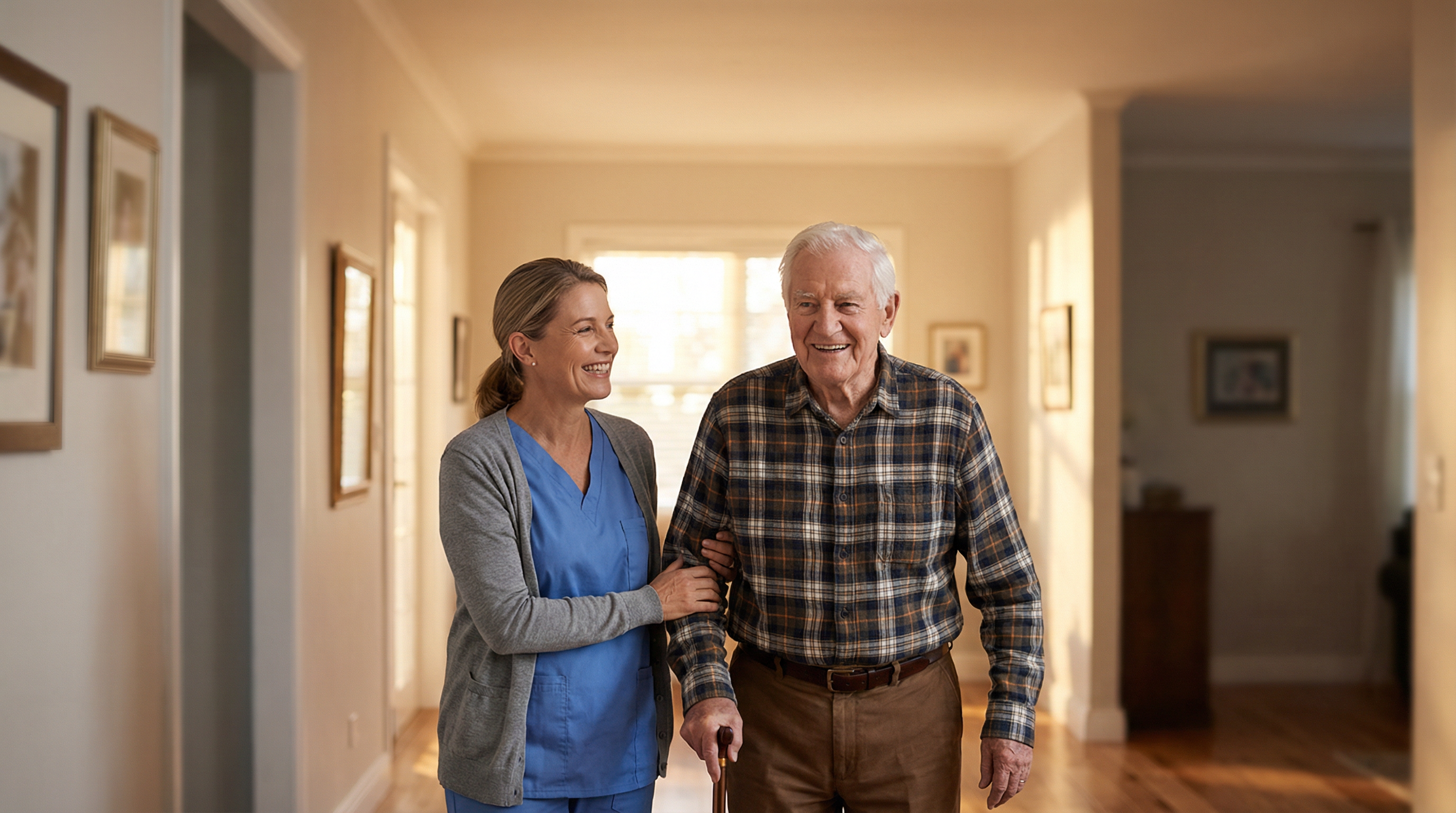
The moment your loved one comes home after a stroke can feel like a mix of relief and overwhelming worry. You're so glad they're back in familiar surroundings, but you might also be looking around, wondering how you'll manage everything. The hospital provided a lot of support, but now it's just you, or maybe a few family members, trying to figure out the best way forward. You want them to be safe, comfortable, and continue their recovery, but the tasks ahead can seem daunting.
Understanding the Road Ahead After a Stroke
A stroke can change many things, and the recovery journey is unique for everyone. It might affect movement, speech, memory, or even emotions. These changes mean that daily activities that once seemed simple can become challenging. Things like getting dressed, preparing meals, or even moving safely around the house might require assistance.
You're likely feeling a deep sense of responsibility, perhaps even guilt, if you can't be there every moment. You might be juggling your own job, family, and other commitments, all while trying to provide the best possible care. This isn't just about physical tasks; it's also about emotional support, managing appointments, and ensuring a safe environment. The weight of these responsibilities can be heavy, leading to stress, exhaustion, and the feeling that you're constantly falling short.
We understand these feelings completely. At AngelsInNOVA, we know that caring for a stroke survivor at home is a significant undertaking. You're not alone in feeling this way, and there are practical, compassionate solutions available right here in Northern Virginia to help ease your burden and support your loved one's recovery.
Your 3-Step Plan for Finding Home Care for Stroke Survivors
Finding the right support doesn't have to be complicated. We've outlined a clear, three-step plan to help you secure the best home care for stroke survivors in Loudoun, Prince William, and Fairfax counties.
- Assess Needs and Goals: Understand what type of assistance is truly needed.
- Explore Local Resources: Learn about the different types of home care available.
- Connect with Trusted Agencies: Find a reliable partner to provide the care.
Let's explore each step in more detail.
Step 1: Assess Your Loved One's Specific Needs and Recovery Goals
Before you can find the right help, it's important to understand exactly what your loved one needs. Recovery from a stroke is a personal journey, and the type of support required will vary greatly. This isn't about guessing; it's about observing and communicating.
- Physical Needs: Does your loved one need help with mobility, transferring from bed to chair, or using the restroom? Are they at risk of falls? Do they need assistance with bathing, dressing, or personal hygiene?
- Cognitive Needs: Has the stroke affected memory, problem-solving, or communication? Do they need reminders for medication, appointments, or daily tasks?
- Emotional Support: Are they feeling isolated, frustrated, or depressed? Do they benefit from companionship and social interaction?
- Household Tasks: Is help needed with meal preparation, light housekeeping, laundry, or running errands?
- Medical Management: While home care aides cannot provide skilled nursing, they can offer medication reminders and help monitor general well-being.
"I remember when my dad came home after his stroke. I thought I could do it all, but I quickly realized I needed help with his physical therapy exercises and just making sure he ate properly. It was too much for one person."
Consider their long-term recovery goals as well. Are they working with therapists? How can home care support those efforts? A clear understanding of these areas will help you communicate effectively with potential care providers.
Step 2: Explore the Different Types of Home Care Available
Once you have a good grasp of your loved one's needs, you can look into the various types of non-medical home care available. This isn't a one-size-fits-all solution; different services cater to different levels of support.
Personal Care: This involves hands-on assistance with daily activities. This might include help with bathing, dressing, grooming, toileting, and transferring. For stroke survivors, maintaining personal hygiene can be particularly challenging due to mobility issues or weakness on one side of the body. Personal care helps maintain dignity and independence.
Companion Care: Sometimes, the biggest need is simply having someone there. Companion care focuses on social interaction, emotional support, and engaging in activities. This can be incredibly beneficial for preventing loneliness and depression, which can sometimes follow a stroke. A companion can read aloud, play games, share conversations, or accompany your loved one on walks.
Respite Care: If you're the primary caregiver, you know how demanding it can be. Respite care provides temporary relief, allowing you to rest, run errands, or attend to your own needs. This is vital for preventing caregiver burnout and ensuring you can continue to provide the best possible support. Even a few hours a week can make a significant difference.
Homemaker Services: This type of care assists with light household tasks that become difficult after a stroke. This includes meal preparation, grocery shopping, laundry, and light cleaning. These services help maintain a safe and comfortable living environment without adding stress to the survivor or their family.
Many families find that a combination of these services works best. For example, a stroke survivor might need personal care in the mornings and evenings, with companion care during the day. The flexibility of home care for stroke survivors means you can tailor a plan to fit their evolving needs.
Step 3: Connect with Trusted Home Care Agencies in Northern Virginia
This is where AngelsInNOVA steps in. We act as your guide, connecting you with reputable, local Visiting Angels offices in Loudoun, Prince William, and Fairfax counties. We understand the unique challenges faced by families seeking home care for stroke survivors, and we're here to simplify the process.
When considering agencies, here are some key questions to ask:
- What is their experience with stroke survivors?
- How do they match caregivers with clients?
- What training do their caregivers receive?
- Are they licensed and insured?
- What is their process for creating a personalized care plan?
- How do they handle emergencies or schedule changes?
We help you find local agencies that prioritize compassionate, reliable care. They'll work with you to create a personalized care plan that addresses all the needs identified in Step 1, ensuring your loved one receives the right support to continue their recovery journey at home.
A Story of Hope and Support: Eleanor's Journey
Eleanor, a vibrant 78-year-old from Fairfax, experienced a stroke that left her with weakness on her right side and some difficulty with speech. Her daughter, Sarah, lived an hour away and was struggling to manage her own family and Eleanor's increasing needs. Sarah felt torn, wanting to be there for her mom but knowing she couldn't provide 24/7 care.
After a call with AngelsInNOVA, Sarah connected with a local Visiting Angels office. They helped her assess Eleanor's needs, which included assistance with bathing, dressing, and meal preparation, as well as companionship to keep her spirits up. A wonderful caregiver, Maria, was matched with Eleanor. Maria not only helped Eleanor with her daily routine but also encouraged her speech therapy exercises and engaged her in conversations about her favorite books.
Sarah found immense relief. She could visit her mom knowing she was well-cared for, and she could focus on quality time instead of feeling overwhelmed by tasks. Eleanor, in turn, felt more independent and less isolated. Maria's presence allowed Eleanor to continue her recovery in the comfort of her own home, surrounded by her cherished memories.
How AngelsInNOVA Helps You Find Home Care for Stroke Survivors
We know that navigating the world of senior care can be complex. AngelsInNOVA simplifies this process for families in Northern Virginia. We are a referral platform dedicated to connecting you with trusted, local Visiting Angels offices. We don't provide care directly, but we act as your first point of contact, helping you understand your options and making warm introductions to agencies that can meet your specific needs.
Our service is designed to save you time and reduce stress. Instead of sifting through countless providers, you can rely on our expertise to guide you toward compassionate and professional home care solutions. We ensure you connect with agencies that understand the nuances of providing home care for stroke survivors, offering everything from companion care to more hands-on personal assistance.
Frequently Asked Questions About Home Care for Stroke Survivors
What kind of training do caregivers receive for stroke survivors?
While specific training varies by agency, reputable providers ensure their caregivers are trained in personal care, safe transfers, mobility assistance, and understanding the unique communication and cognitive challenges that can arise after a stroke. They focus on promoting independence and safety.
Can home care help with physical therapy exercises?
Home care aides cannot perform physical therapy themselves, but they can assist and encourage your loved one to follow the exercises prescribed by a licensed physical therapist. They can also help with safe movement and mobility around the home, supporting the overall recovery plan.
How do I know if my loved one needs home care?
Look for signs such as difficulty with daily tasks like bathing or dressing, increased fall risk, missed medications, social isolation, or a decline in household management. If you, as a family caregiver, are feeling overwhelmed or burned out, that's also a strong indicator.
Is home care covered by insurance?
Generally, non-medical home care, such as personal care or companion services, is not covered by Medicare. Some long-term care insurance policies may cover it, and Medicaid may offer limited coverage depending on your state and specific program. It's always best to check with your insurance provider directly.
How quickly can home care services begin?
Often, services can begin quite quickly once a care plan is established and a caregiver match is made. Many agencies understand the urgency involved, especially after a hospital discharge. AngelsInNOVA can help you get connected with care efficiently.
Ready to Find Compassionate Home Care for Stroke Survivors?
You don't have to carry the weight of post-stroke care alone. Finding the right support can bring peace of mind to you and comfort to your loved one. Imagine your loved one thriving in their familiar home environment, receiving personalized support that truly makes a difference in their recovery and daily life.
If you're ready to explore options for home care for stroke survivors in Loudoun, Prince William, or Fairfax counties, we're here to help. Take the first step toward a more supported and peaceful future for your family. Learn more about how it works and what to expect.
Don't wait until you're completely exhausted. The sooner you explore your options, the sooner you can find the relief and support you and your loved one deserve. Without the right assistance, the challenges of post-stroke recovery at home can become overwhelming, potentially leading to increased stress for the family and slower progress for the survivor. Reach out today.
Ready to find the right home care for stroke survivors? Get connected with care through AngelsInNOVA.
***
Disclaimer: This content is for informational purposes only and does not constitute medical advice. Always consult with a qualified healthcare professional for diagnosis and treatment of any medical condition.