
The phone rings late at night. Your heart jumps. Is it Mom? Did she fall again? That fear, that sudden jolt of anxiety, is something many families in Northern Virginia know all too well. You picture her alone, perhaps struggling to get up, and the worry can feel overwhelming. It’s a common scenario, and it highlights a very real concern for our aging loved ones.
Watching a parent or senior family member become less steady on their feet can be heartbreaking. You want them to stay safe and independent in their own home, but you also worry constantly about their well-being. This balance between fostering independence and ensuring safety is a challenge many adult children caregivers face every day.
Understanding the Risk: Why Falls Happen
Falls are a leading cause of injury among older adults, and they can have serious consequences. A fall can lead to fractures, head injuries, and a significant loss of independence. Beyond the physical harm, there's often a lingering fear of falling again, which can cause seniors to limit their activities and become more isolated.
Several factors contribute to an increased risk of falling. These can include physical changes that come with aging, such as decreased muscle strength, poor balance, and vision problems. Certain medications can also cause dizziness or drowsiness, making falls more likely. Environmental hazards in the home play a big role too, things like loose rugs or poor lighting.
The good news is that many falls are preventable. By understanding the common causes and taking proactive steps, families can significantly reduce the risk for their loved ones. It’s about creating a safer environment and supporting their physical health.
Practical Steps for Fall Prevention at Home
Making a home safer doesn't have to be a huge, expensive renovation project. Often, small, thoughtful changes can make a big difference. Here's a practical checklist to help you assess and improve safety for seniors in your life.
Home Safety Checklist: A Room-by-Room Guide
- Living Areas and Hallways:
- Remove clutter from floors, especially in walkways.
- Secure all loose rugs with non-slip backing or remove them entirely.
- Ensure adequate lighting. Use brighter bulbs and consider nightlights in hallways and bedrooms.
- Keep electrical cords tucked away and out of traffic paths.
- Make sure furniture is stable and not easily tipped over.
- Kitchen:
- Keep frequently used items within easy reach to avoid stretching or using step stools.
- Clean up spills immediately to prevent slippery surfaces.
- Ensure good lighting over work areas.
- Consider non-slip mats near the sink.
- Bathrooms:
- Install grab bars inside and outside the shower or tub, and next to the toilet.
- Use non-slip mats or strips in the shower or tub.
- Ensure the toilet seat is at a comfortable height, or consider a raised toilet seat.
- Keep a clear path to the toilet.
- Bedrooms:
- Place a lamp or light switch within easy reach of the bed.
- Ensure a clear path from the bed to the bathroom.
- Consider a firm, stable chair for dressing.
- Stairs:
- Ensure handrails are sturdy and on both sides of the staircase.
- Make sure stairs are well-lit, with switches at both the top and bottom.
- Repair any loose or broken steps.
- Consider contrasting tape on the edge of steps to improve visibility.
These adjustments can significantly reduce environmental hazards. It’s often helpful to walk through the home with your loved one, looking at things from their perspective. What might seem obvious to you could be a tripping hazard for someone with limited mobility or vision.
Personal Health and Lifestyle Considerations
Beyond the home environment, a senior's personal health plays a crucial role in preventing falls.
- Regular Exercise: Encouraging activities that improve strength, balance, and flexibility can be very beneficial. Tai Chi, walking, and gentle stretching are excellent options. Always check with a doctor before starting any new exercise program.
- Medication Review: Have a doctor or pharmacist review all medications, including over-the-counter drugs and supplements, to identify any that might cause dizziness or affect balance.
- Vision Checks: Regular eye exams are important. Make sure eyeglasses prescriptions are up to date.
- Foot Care: Comfortable, supportive shoes with non-slip soles are essential. Avoid walking in socks or loose slippers.
- Hydration and Nutrition: Proper hydration and a balanced diet contribute to overall strength and energy, reducing weakness that could lead to falls.
Taking proactive steps for fall prevention for seniors Northern Virginia families can make a real difference in their loved one's safety and peace of mind.
Remember, this information is for general guidance only and not a substitute for professional medical advice. Always consult with healthcare professionals for personalized recommendations regarding health and medical conditions.
How Non-Medical Home Care Supports Fall Prevention
Even with a safe home and good health practices, sometimes seniors need a little extra support. This is where non-medical home care can be incredibly valuable. AngelsInNOVA connects families with local caregivers who can provide assistance that directly helps prevent falls.
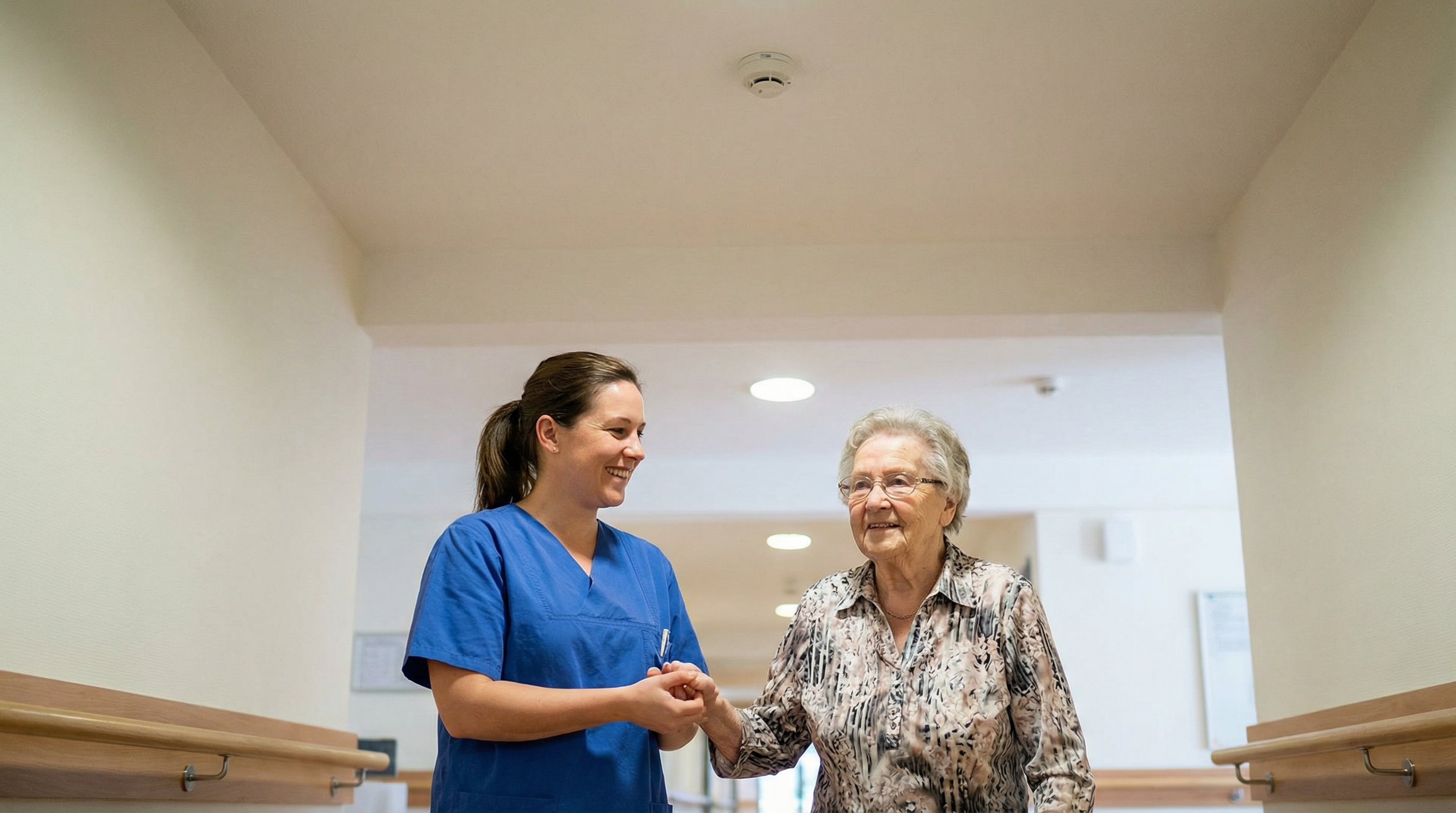
Caregivers can offer a steadying hand and watchful eye. They can assist with tasks that might otherwise pose a fall risk, such as getting in and out of bed, bathing, or navigating uneven surfaces. Their presence provides an extra layer of safety and reassurance.
Specific Ways Caregivers Can Help
- Personal Care Assistance: Caregivers can help with bathing, dressing, and grooming, reducing the need for seniors to reach, bend, or balance in potentially slippery areas. This is a key aspect of personal care.
- Mobility Support: They can provide steady support when walking, transferring from a chair, or moving around the home. This assistance helps maintain confidence and reduces the risk of stumbling.
- Light Housekeeping: Caregivers can help keep living spaces tidy, removing clutter, and ensuring pathways are clear. They can also clean up spills promptly.
- Meal Preparation: By preparing nutritious meals, caregivers ensure seniors maintain their strength and energy, reducing weakness that can contribute to falls.
- Medication Reminders: While they can't administer medication, caregivers can remind seniors to take their prescribed doses on time, helping to manage potential side effects that might affect balance.
- Companionship and Engagement: Regular social interaction and engaging activities can keep seniors mentally and physically active, which indirectly supports balance and coordination. This is often part of companion care.
- Transportation: Caregivers can provide safe transportation to appointments, reducing the risk of falls while navigating public transport or unfamiliar environments.
Having a caregiver present means there's always someone nearby to assist if a senior feels unsteady or needs help. This can significantly ease the worry for family members, especially those who live far away or have busy schedules. It's about providing peace of mind and practical support.
Supporting Families in Manassas and Leesburg
For families living in Northern Virginia, especially those in the Manassas and Leesburg areas, understanding local resources and support options is key. We know you want the best for your loved ones, and that often means finding reliable, compassionate care close to home.
Whether you're caring for an aging parent in Manassas or an older adult in the Leesburg area, the challenges of fall prevention for seniors are universal, but local support can make a difference. AngelsInNOVA specializes in connecting families with trusted local Visiting Angels offices. These offices are deeply rooted in the community and understand the specific needs of Northern Virginia seniors.
We work with families every day who are looking for ways to keep their loved ones safe and independent. Our referral service helps you find the right non-medical home care solutions that fit your family's unique situation and location. You don't have to navigate these decisions alone.
We understand the local landscape and can help you find caregivers who are familiar with the Manassas and Leesburg communities. This local focus means a more personalized and responsive care experience for your senior loved one.
Your Partner in Senior Safety
The goal is always to help seniors maintain their independence and quality of life in the comfort of their own homes. Preventing falls is a huge part of achieving that goal. It requires a combination of home modifications, attention to personal health, and sometimes, the support of caring professionals.
If you're an adult child caregiver, a senior, or a spouse in Northern Virginia feeling overwhelmed by the thought of fall prevention, know that help is available. Taking the first step can bring immense relief and a greater sense of security for everyone involved.
We invite you to learn more about how non-medical home care can support your family's efforts in fall prevention. It's about creating a safer, more comfortable environment for your loved one, allowing them to thrive at home.
Ready to explore options for your family? Connect with AngelsInNOVA today to discuss how local home care services can help enhance safety and well-being for your senior loved one in Northern Virginia.
Frequently Asked Questions About Fall Prevention
What are the most common causes of falls in seniors?
Falls in seniors are often caused by a combination of factors. These include physical changes like muscle weakness, poor balance, and vision problems, as well as environmental hazards such as cluttered pathways, poor lighting, and slippery surfaces. Certain medications can also increase the risk by causing dizziness or drowsiness.
How often should a senior's home be assessed for fall risks?
It's a good idea to assess a senior's home for fall risks regularly, perhaps once or twice a year, or whenever there's a significant change in their health or mobility. A quick walk-through can help identify new hazards or areas that need attention. After a fall, a thorough assessment is especially important.
Can exercise really help prevent falls?
Yes, regular exercise is highly effective in preventing falls. Activities that improve strength, balance, and flexibility, such as walking, Tai Chi, and gentle stretching, can significantly reduce fall risk. Always consult with a doctor before starting any new exercise program to ensure it's safe and appropriate.
What kind of shoes are best for seniors to prevent falls?
Seniors should wear shoes that are supportive, comfortable, and have non-slip soles. Shoes with good traction, a low heel, and that fit well are ideal. Avoid loose slippers, high heels, or walking in socks, as these can increase the risk of slipping or tripping.
How can non-medical home care specifically assist with fall prevention?
Non-medical home care providers can assist by offering a steadying presence and practical help. They can help with personal care tasks that might be risky, assist with mobility, keep the home tidy to remove tripping hazards, and provide companionship that encourages activity and engagement. This support helps seniors maintain independence safely.